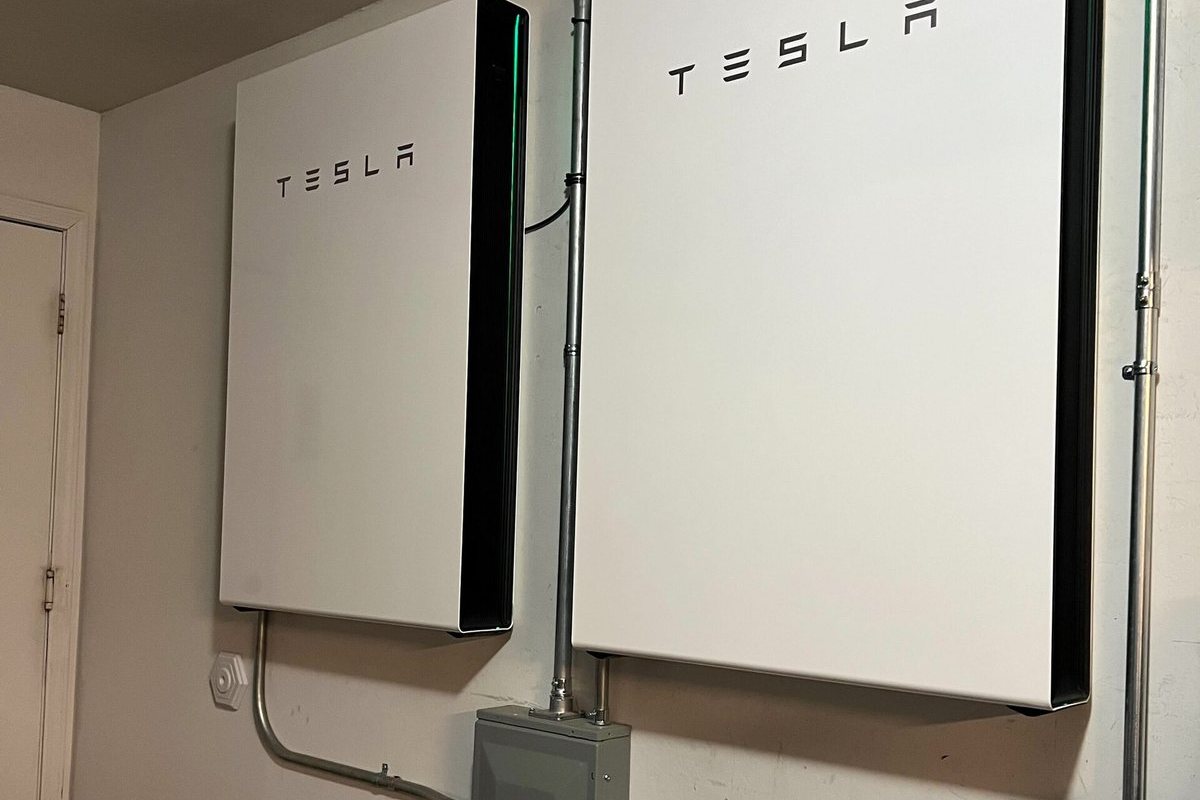
Tesla’s home energy system is opening up to other car brands. Tesla Energy said on November 6 that Smart Charging, which uses a Powerwall and a Wall Connector to decide when to charge an EV, can now optimize charging for any electric vehicle through Tesla Home in the Tesla app. Until now, Tesla’s solar-aware charging features were mainly built around Tesla vehicles.
For Canadian households with a Tesla and a second EV in the driveway, or a home battery and no Tesla at all, this could make the system more useful. But there are some important requirements, and Tesla hasn’t said which countries get it first.
How Smart Charging works
According to TeslaNorth’s report on the announcement, Smart Charging looks at your solar production, your home energy goals and your driving needs, then automatically charges your EV at the best times. It has two options, tied to the Powerwall’s operating mode:
- Low-Cost Charging (Powerwall in Savings mode): uses your utility rate plan and solar forecast to reach your charging target at the lowest cost.
- Charge on Solar (Powerwall in Self-Powered mode): sends excess solar energy to the car instead of exporting it to the grid.
Pure Electric, an Australian Tesla Premium Certified Installer, published a detailed setup guide. It says you set two things in the app: a charging target, the minimum energy your car needs for daily driving, and a departure time. Smart Charging makes sure the target is met by then. After that, the car keeps charging only from low-cost energy or excess solar, and it never goes past your car’s own charge limit. The two modes can’t run at the same time.
What you need
Pure Electric lists these requirements:
- A Powerwall 2 or Powerwall 3 on firmware 26.34 or later
- A Tesla Wall Connector Gen 3 on firmware 26.34 or later
- Tesla app version 4.57.5 or later
- The Powerwall and Wall Connector paired, registered to the same site and on the same Wi-Fi network, with your phone paired to the Powerwall
Setup is in the Tesla app under Settings > Vehicle Charging > Set Charging Configuration, according to Pure Electric. A few limits apply: Smart Charging runs on one Wall Connector per site, it replaces manual Wall Connector schedules, and Tesla recommends turning off any charging schedule set in the car so the system can hit your target on time. If you need the car charged right away, you can tap Start Charging in the app to override it for that session.
Tesla drivers still have the older Enhanced Charge on Solar feature, which is Tesla-only. The new Smart Charging version is the one that works with other brands.
“Any EV” has an asterisk
TeslaNorth notes that the any-EV support applies only to the Powerwall and Wall Connector setup Tesla named. The vehicle still has to be compatible with your Wall Connector, and the feature doesn’t turn a third-party charger or the Tesla app alone into the same system. Tesla’s announcement also didn’t specify supported countries or when every eligible account will see the feature, and firmware rolls out gradually.
What it means for Canadian owners
Tesla sells Powerwall in Canada through certified installers, so Canadian homes with the right equipment may see Smart Charging once the update reaches them. Check that your Powerwall and Wall Connector are online and up to date, and look for the Vehicle Charging setting in the app. If it isn’t there yet, it may simply not have rolled out to your system.
In Ontario, Low-Cost Charging is the more interesting mode for most of the year. Solar output is limited in winter, but the province’s time-of-use plans give the system something to optimize. If you’re on the Ultra-Low Overnight rate, the cheapest power is overnight, which is when most EVs are plugged in anyway. Charge on Solar becomes more useful from spring to fall, when there’s excess solar to soak up.
If you’re thinking about adding a battery, Ontario’s Home Renovation Savings Program offers up to $5,000 back for battery storage ($300 per kWh, up to 50% of costs) and up to $5,000 for rooftop solar. There are conditions: the battery must be paired with a new solar system and sized for it, and homes that take these rebates can’t also sign a net-metering agreement with their utility. Read the program rules before you get quotes.
For more on charging at home, see our Ontario home charging guide. And if you’ve been following Tesla’s home backup features, our story on Powershare and why Canada is waiting explains what’s still U.S.-only.
Do you charge your EV from solar or a Powerwall in Ontario? Share your setup with 18.0K owners in Tesla Model Y & 3 [Ontario, Canada]. Come join us!
On X? Join our community Tesla Model* [Ontario, Canada] too.