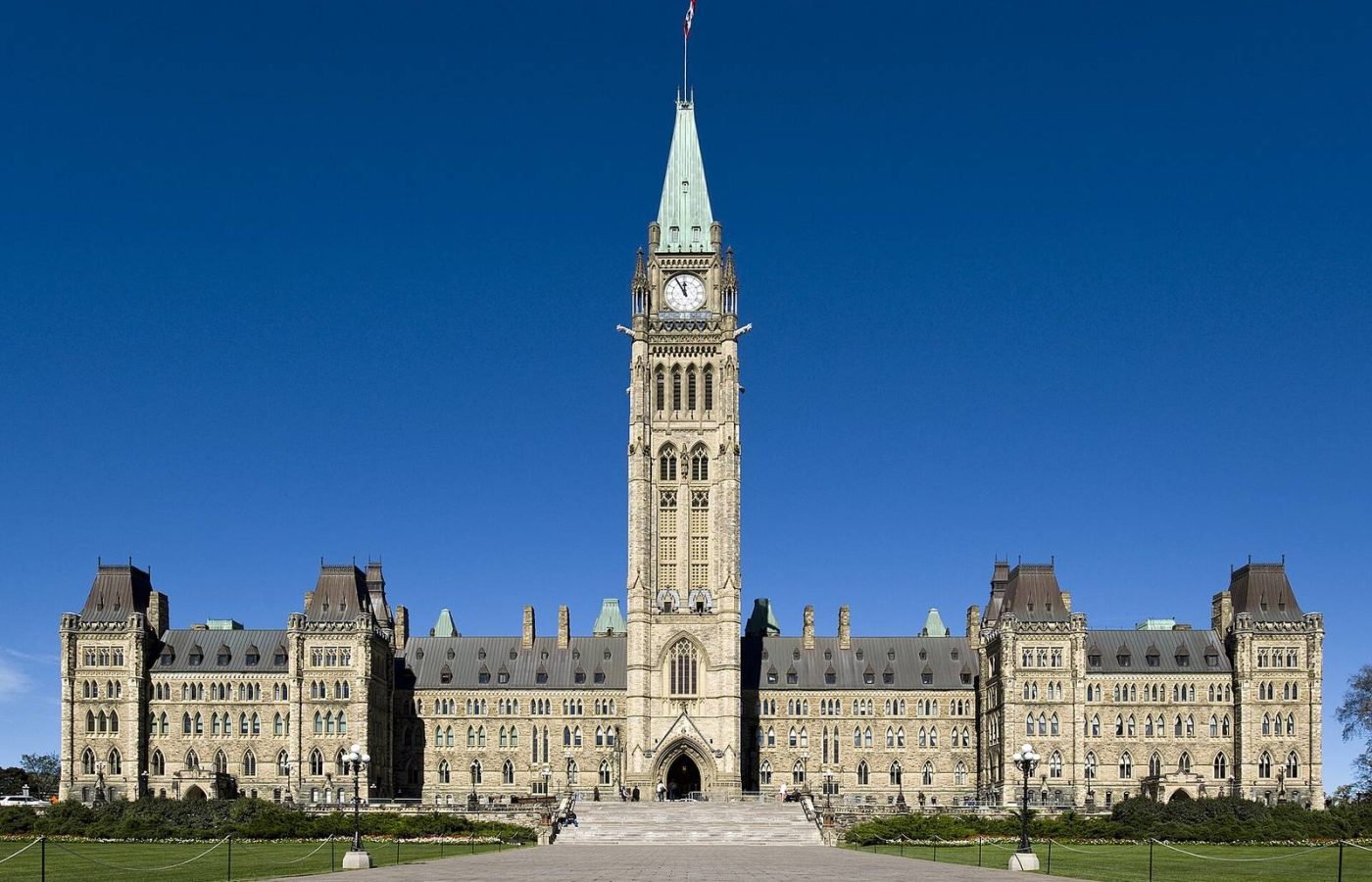
Ottawa’s Budget 2026 has one clear line item for EV drivers: more public chargers. Finance Minister François-Philippe Champagne tabled the budget on November 5, and it proposes $587 million to renew the federal program that helps pay for public charging stations. What it does not do is add money for EV purchase rebates. Here is what is in the document, what is not, and what it means if you drive or plan to buy a Tesla in Ontario.
What the budget proposes for EV charging
According to the budget document and the Department of Finance’s key measures summary, the federal government plans to invest just over $634 million in EV charging infrastructure. It breaks down like this:
- $587 million over five years, starting in 2027-28, to Environment and Climate Change Canada to renew the Zero-Emission Vehicle Infrastructure Program (ZEVIP). The goal is to support the installation of more than 55,000 additional chargers “in areas where the infrastructure is needed most.”
- $45 million over five years, starting in 2027-28, to Natural Resources Canada for charging research and development, aimed at more affordable and reliable charging that works with the electricity grid.
Ottawa says it has supported more than 50,000 chargers to date, so the new money would roughly double the federally supported network. ZEVIP covers part of the cost of public charging projects, and Electric Autonomy notes the program had been set to expire next year.
Ontario already leads the charger count
The budget includes a table of chargers funded under existing ZEVIP money that are in operation or planned by 2028-29. Ontario tops the list with 23,802, ahead of British Columbia at 17,147 and Quebec at 9,555, out of 58,874 nationally. Those figures do not include the new Budget 2026 money, so any chargers from the renewed program would come on top.
What is not in the budget
No new EV rebate money. The budget mentions the Electric Vehicle Affordability Program (EVAP) and lists consumer EV incentives among the goals of its automotive strategy, but it does not add new rebate funding or change who qualifies. The rules Transport Canada published earlier this year still apply.
No home charger rebate. We found no federal incentive for installing a Level 2 charger at home. The money is aimed at public infrastructure.
Emissions rules will change again. The budget says Ottawa will update vehicle greenhouse gas emissions standards “to reflect changes in consumer demand and advances in vehicle technology,” without new targets or a timeline. That follows the freeze of the standards at 2026 levels until 2029 announced in October.
The gas tax comes back in 2027
One budget item affects the cost of driving a gas car, which matters if you are comparing running costs. The federal fuel excise tax was suspended on April 20, 2026, cutting up to 10 cents a litre on regular gasoline. The budget confirms the suspension runs until the end of January 2027. The tax comes back at 50% of its usual rate from February 1 to March 31, 2027, and at the full rate on April 1, 2027.
What it means for Canadian owners
More chargers, but not this winter. The new ZEVIP money starts in the 2027-28 fiscal year, and all budget measures still need to pass Parliament. Chargers already funded under the current program will keep opening in the meantime. More public chargers mean more backup options on long trips, while Tesla keeps adding Superchargers of its own, such as the new site in Gatineau.
The EVAP rebate drops on January 1. Under Transport Canada’s schedule, the maximum incentive for a battery-electric vehicle is $5,000 in 2026 and $4,000 in 2027. The amount is based on the date the eligibility assessment is submitted, which happens at the point of sale. If you are close to buying a Model Y, finalizing in 2026 could be worth $1,000. EVAP also requires a final transaction value of $50,000 or less for imported models, and the vehicle must come from Canada or a country with a free-trade agreement with Canada. As our look at Q3 rebate data found, the Model Y has been Tesla’s only rebate-eligible model here. Check the eligible vehicle list and your exact configuration before you sign.
Home charging is still the cheapest option in Ontario. With no federal home charger rebate, the best savings come from your electricity plan. The Ultra-Low Overnight rate makes scheduled overnight charging very cheap, and our home charging guide covers Level 2 installs and ESA permits.
Bottom line
Budget 2026 bets on infrastructure, not incentives. Public charging should keep expanding from 2027, especially in Ontario, but buyers should not expect a bigger rebate. If a new Tesla is in your plans, the EVAP drop on January 1 is the date to watch.
How do you think Ottawa should spend its EV money? Share your take with 18.0K owners in Tesla Model Y & 3 [Ontario, Canada], Canada’s most active Tesla Facebook group. You can also join our X community, Tesla Model* [Ontario, Canada].
Sources
- Government of Canada: Budget 2026, Masters of our destiny (PDF)
- Department of Finance Canada: Budget 2026 key measures
- Transport Canada: Electric Vehicle Affordability Program overview
- Electric Autonomy: Federal budget pairs $587m EV charger funding with $4b grid push
- Motor Illustrated: What Canada’s new federal budget means for drivers