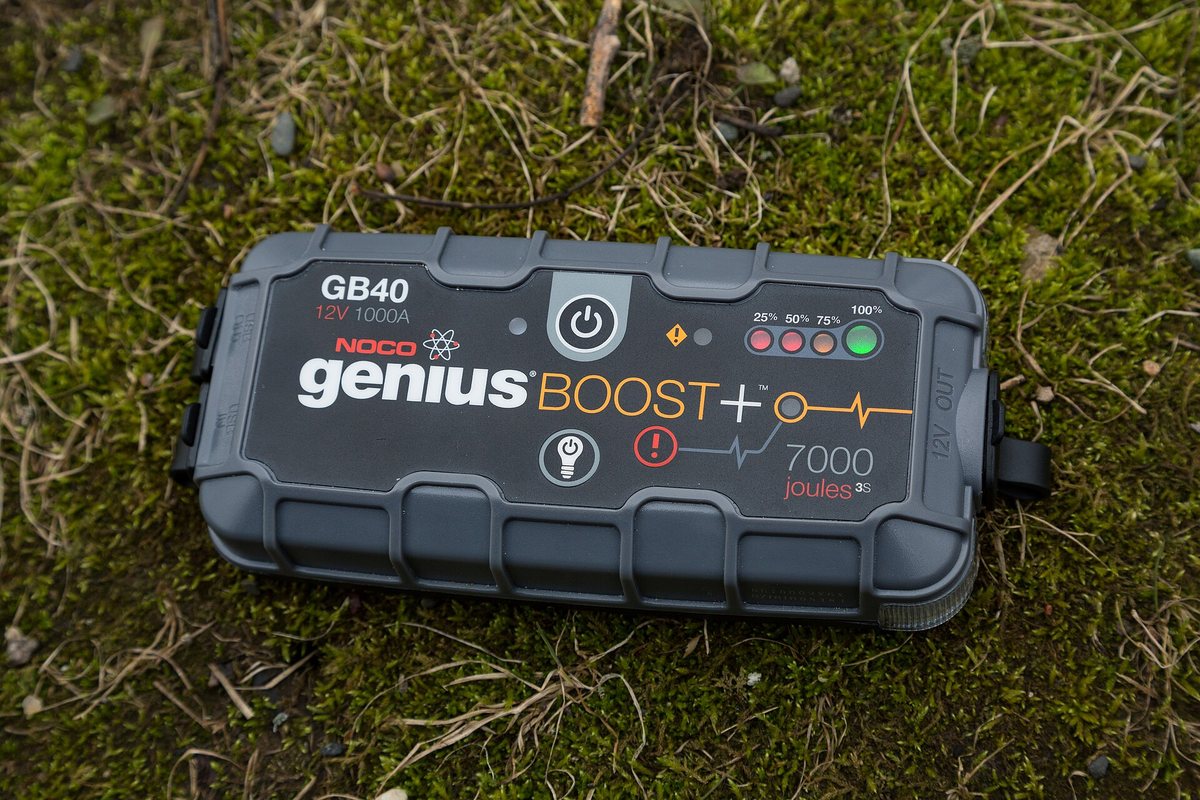
Every Tesla has two batteries. The big high voltage battery under the floor drives the car, and a much smaller low voltage battery runs the computers, door locks, screens and lights. When that small battery runs flat, a Tesla can act completely dead even if the main pack is half full: the doors won’t unlock from the app, the screen stays black and the car won’t charge.
Cold snaps are hard on batteries of all kinds, so here is what Ontario owners should know about the low voltage battery, how to tell which type you have and how Tesla says to jump start it safely.
Signs the low voltage battery is the problem
Tesla’s owner’s manual says that if the car is unresponsive and does not unlock, open or charge, the low voltage battery may be discharged. In that case, Tesla suggests trying to jump start the low voltage battery. If the car is still unresponsive after that, contact Tesla.
The two batteries are linked. Tesla warns that if the main battery is allowed to fall to about 0%, the car enters a low-power mode in which the main battery stops supporting the onboard electronics and the low voltage battery. Once that happens, Tesla says to plug in immediately to avoid a jump start or a low voltage battery replacement. In other words, keeping the main battery charged is the best way to protect the small one.
Lead-acid or lithium-ion? Check first
Tesla has used two kinds of low voltage battery, and the jump-start steps are different for each. To see which one your car has, go to Controls > Software > Additional Vehicle Information. Do this today, while the car is working, and note the answer in your phone.
Two important cautions from the manual apply to both types:
- Your Tesla can’t be used to jump start another vehicle. Tesla says doing so can damage your car.
- Avoid short circuits. Connecting a cable to the wrong post or letting the leads touch can damage the car. Don’t let the positive cable touch any other metal parts.
The steps below are based on Tesla’s Model Y manual and assume you are using a portable jump starter. If you’re using another car, Tesla says to follow that vehicle maker’s instructions. Model 3 and other models have similar but not identical layouts, so check your own manual on the touchscreen or Tesla’s website before you start.
Jump starting a lead-acid low voltage battery
- Open the hood and pull the maintenance panel upward to release its clips.
- If your car has a HEPA filter, carefully fold its gasket toward the front of the car to reach the battery.
- Connect the jump starter’s red positive (+) cable to the battery’s red positive (+) terminal.
- Connect the black negative (-) cable to the battery’s black negative (-) terminal.
- Turn on the jump starter and touch the screen to wake it. Tesla notes it may take several minutes for the screen to get enough power to wake up.
- When you’re done, disconnect both cables, starting with the black negative cable, then reinstall the trim and maintenance panel and close the hood.
Jump starting a lithium-ion low voltage battery
- Open the hood, remove the maintenance panel and carefully fold the HEPA filter gasket forward to reach the jump post.
- Pull back the black seal to reveal the positive jump post, remove the red cover and connect the red positive (+) cable.
- Connect the black negative (-) cable to the HEPA filter bolt, which Tesla says serves as the negative jump post.
- Turn on the jump starter for 20 to 30 seconds only. Tesla warns that if you leave it on for longer than 30 seconds, the low voltage battery may not self-recover and the car might not be able to shift into Drive. If that happens, disconnect the power supply and the battery to allow another self-recovery attempt.
- Open the driver’s door and wait two minutes.
- Make sure the car can shift into Drive, then replace the maintenance panel and close the hood.
The exception is towing: if you’re only powering the car so a driver can activate Transport Mode and winch it onto a flatbed, Tesla says to leave the power supply connected until the car is secured.
When to call for help instead
If you aren’t comfortable working under the hood in the cold, or the car stays unresponsive after a jump, request Roadside Assistance through the Tesla app. Transport Mode, which lets a Tesla roll freely onto a flatbed, needs low voltage power and a detected key, so tell the tow operator about your car’s condition.
One cost to keep in mind: Tesla says that if the main battery is allowed to discharge to 0% and parts such as the low voltage battery are damaged, the owner is responsible for repair and transport costs. Those discharge-related expenses aren’t covered by the warranty or Roadside Assistance.
What it means for Canadian owners
A compact lithium jump starter is a sensible item to keep at home or in the car through an Ontario winter, especially if you park outdoors or leave the car for long stretches. But the best protection is simple: keep the car plugged in when you can and never let the main battery run near empty. Our winter driving guide covers how cold affects range, and our home charging guide explains how to set up reliable overnight charging.
Ever had to jump your Tesla on a cold morning? Share what worked with 18.0K owners in Tesla Model Y & 3 [Ontario, Canada], where Ontario owners help each other every day. Come join us!
On X? Join our community Tesla Model* [Ontario, Canada] too.