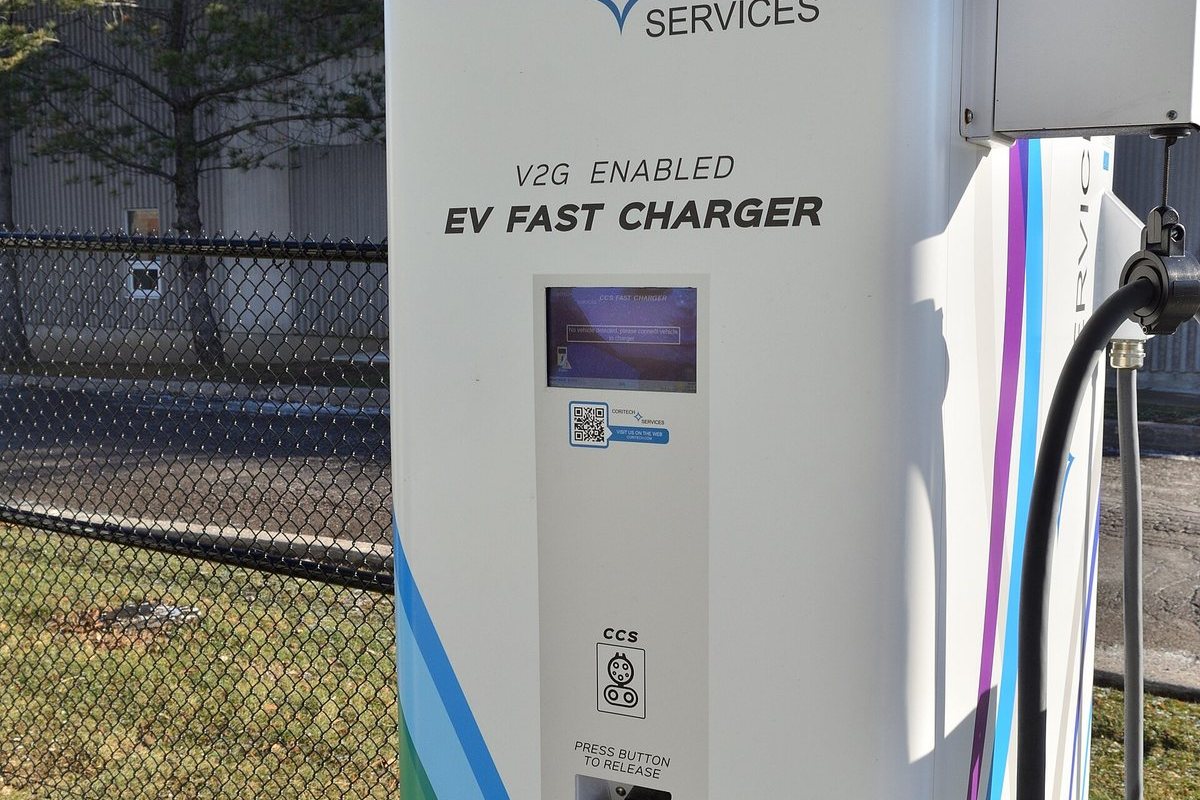
Superchargers are the easiest place to fast charge a Tesla in Canada, but they are not the only option. On a winter road trip through cottage country, Northern Ontario or rural Quebec, the nearest working fast charger might belong to another network. Knowing ahead of time whether your car can use those chargers, and what you need to bring, can save you a long, cold detour.
Two kinds of non-Tesla fast chargers
Non-Tesla DC fast chargers in Canada come in two main styles:
- NACS (J3400) cables. This is the same plug shape as your Tesla’s charge port. Some third-party sites now have it, and in most cases you can simply plug in.
- CCS Combo 1 cables. This is the plug most non-Tesla EVs in North America have used, and it’s still common on Canadian charging networks. To use it, a Tesla needs Tesla’s CCS Combo 1 Adapter.
For slower Level 2 public chargers with a J1772 plug, you use the J1772 adapter, which Tesla includes with new vehicles.
Step one: check your car’s compatibility
Having the adapter isn’t enough on its own. The car also needs the hardware and software to “talk” to a CCS or third-party NACS station. To check, go to Controls > Software > Additional Vehicle Information and look for CCS and 3rd-party NACS DC Fast Charging Support. You’ll see one of three answers:
- Enabled: your Tesla can charge at CCS stations with the adapter and at third-party NACS stations.
- Not Enabled: the car doesn’t support it yet. You can book a service appointment to ask whether a hardware retrofit is available.
- Not Compatible: the car can’t support third-party CCS or NACS fast charging.
According to Drive Tesla Canada, newer cars from late 2022 have this capability from the factory, while earlier cars need an updated charge port control board before they can use a CCS charger. That’s why Tesla sells the adapter both on its own and as a retrofit package for Model 3, Model Y, Model S and Model X.
What the adapter costs
Tesla has changed the price of the adapter and the retrofit packages several times. In February 2025, for example, Drive Tesla reported that the standalone CCS Combo 1 Adapter rose from $350 to $430 in Canada, and the Model 3/Y retrofit with adapter rose from $310 to $475. Prices and stock can change, so check Tesla’s Canadian online shop for the current price before you order.
How to charge with the adapter
Tesla’s manual describes the order: open the charge port from the touchscreen, plug the adapter into your car’s charge port, then connect the station’s charging connector to the adapter. A few practical tips:
- Set up the network’s app or account before you leave. Many non-Tesla networks need an app, account or payment card to start a session. Doing this at home is much easier than at -20 °C with cold fingers.
- Warm the battery first. The manual notes that warming the battery with Scheduled Departure or the Tesla app before driving can reduce charging time at a Supercharger or third-party fast charger, especially when the charger is too close for the car to precondition on the way.
- Keep the adapter in the car. It only helps if it’s with you. A small pouch in the frunk or under the rear floor works well.
- Have a plan B. Check the charger’s recent status in the network’s app before committing, and know where the next option is.
Will the car plan these stops for me?
Tesla’s Trip Planner builds its routes around Superchargers. Don’t assume it will add a third-party CCS station to your trip, even if one is closer. For routes where Superchargers are sparse, look up other networks in their own apps or a third-party map before you go. Our Set Arrival Energy guide explains how to keep a safe buffer when stops are far apart.
What it means for Canadian owners
For most daily driving in southern Ontario, you’ll charge at home and use Superchargers on the highway. The CCS adapter is mainly insurance for the trips where the map gets thin, and for the times a Supercharger is full or down. If your car shows Enabled, the adapter is worth considering before winter road trips. If it says Not Enabled, ask Tesla Service about the retrofit before you buy anything.
The flip side is that more and more non-Tesla EVs are using Superchargers. We’ve covered the new Supercharger payment kiosks and Supercharger for Business, both of which are changing how Canada’s charging map looks. Having access to both networks gives you the most flexibility.
Have you used a CCS adapter on a Canadian road trip? Tell us which networks worked for you and share your tips with 18.0K owners in Tesla Model Y & 3 [Ontario, Canada]. Come join us!
On X? Join our community Tesla Model* [Ontario, Canada] too.
Sources
- Tesla Shop Canada: CCS Combo 1 Adapter
- Tesloid Canada: How to know if your Tesla is compatible with third-party chargers
- Drive Tesla Canada: Tesla increases prices on CCS adapter and retrofit in Canada and the U.S. (February 2025)
- Model Y Owner’s Manual text: Charging Equipment
- Model Y Owner’s Manual text: Cold Weather, Before Driving