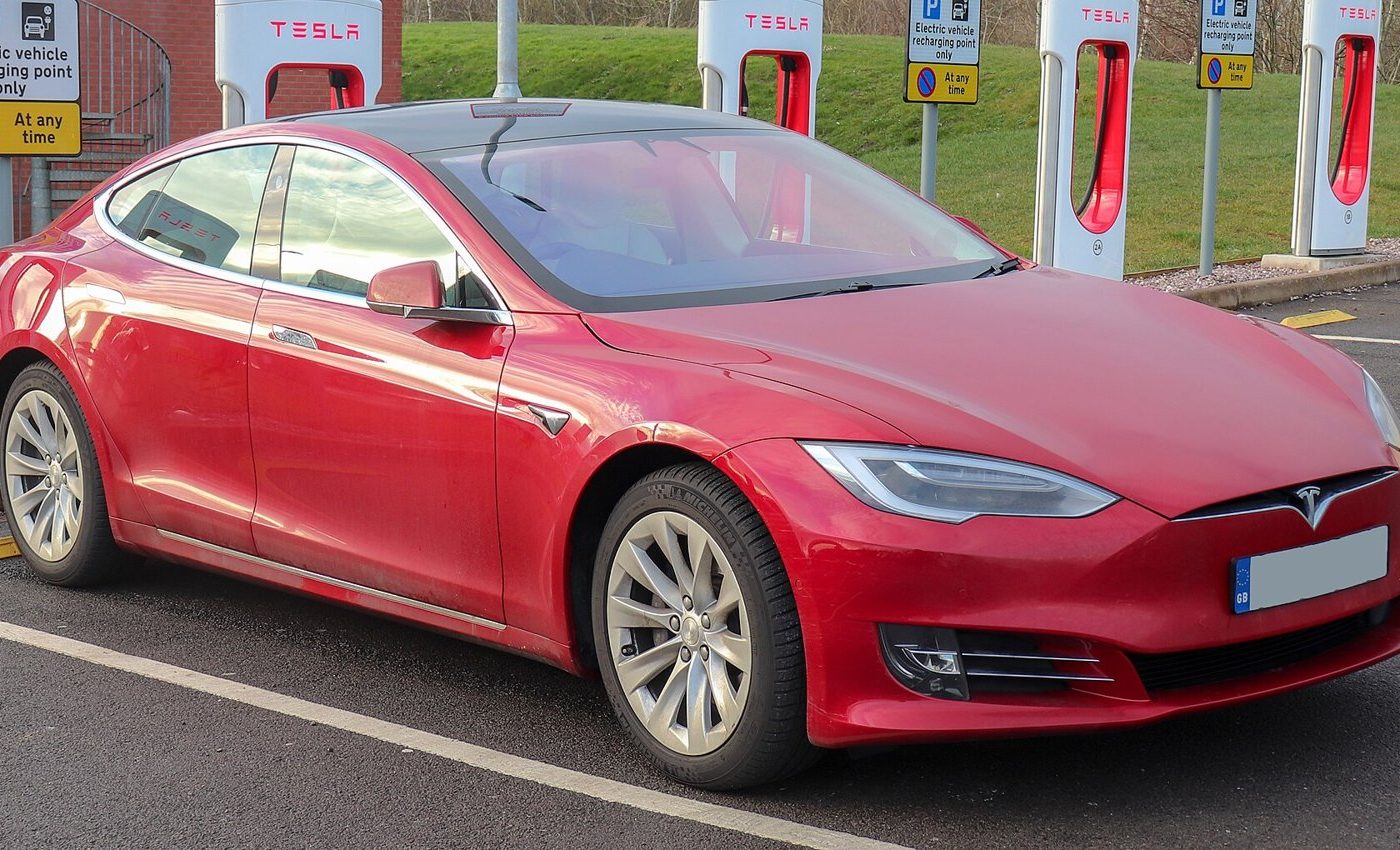
The Model S started it all, and plenty are still on Ontario roads. In 2026 it’s a different story for buyers: Tesla has ended Model S production. This guide is for current owners and for anyone shopping for a used one. Also see our guide to your first week with a Tesla.
Model S Status in Canada (2026)
Tesla announced in January 2026 that Model S and Model X production would wind down, and by April 2026 reports confirmed production had ended, with custom orders closed. Electrek reported no new units left in Canadian inventory at that point. Before it ended, the Canadian starting MSRP was $139,990. Tesla has said it will keep providing service and parts for existing owners. That means new buyers here are mostly shopping used or certified pre-owned.
Buying used
- Ask for service history, and check battery health using Tesla’s in-car battery test where available.
- Confirm which features transfer. Free Supercharging and some software packages may be tied to the original owner. Check with Tesla before you buy.
- Older cars may have Ontario-salt corrosion on brakes and suspension, so get a pre-purchase inspection.
Winter Range and Cold-Weather Driving
Every EV loses range in the cold, and the Model S is no exception. Battery chemistry slows down below freezing, and heating the cabin takes energy. On an Ontario January commute, expect noticeably less than the rated figure, and more loss on short trips, at highway speeds, and in deep cold. Recurrent’s research on winter range loss (linked below) is a good reference for real-world numbers.
Habits that help
- Precondition while plugged in. Use Scheduled Departure or start climate from the Tesla app 20–30 minutes before you leave, so the battery and cabin warm up on grid power, not your range.
- Use seat and steering-wheel heat where equipped. Warming you directly uses less energy than heating the whole cabin.
- Navigate to Superchargers. Setting a Supercharger as your destination lets the car warm the battery so it charges faster on arrival.
- Turn on Cabin Overheat Protection only if you need it in summer, and use Camp Mode or Dog Mode for parked heat in winter.
Older Model S cars with air suspension let you raise ride height on snowy driveways. Lower it again at highway speed. Older pre-heat-pump cars generally lose more range to cabin heat than newer ones.
For a full pre-season list, see our Canadian winter checklist.
Charging: Home and on the Road
Home (Level 2)
Most Model S owners do almost all of their charging at home. A 240 V Level 2 setup, either a Tesla Wall Connector or a properly installed NEMA 14-50 outlet with the Mobile Connector, adds a full day’s driving overnight. Use a licensed electrician, and in Ontario make sure an Electrical Safety Authority (ESA) permit is pulled for the installation. Check your hydro provider’s time-of-use or ultra-low overnight rates and set Scheduled Charging in the car to match. A household 120 V outlet works in a pinch but is slow, especially in winter.
Superchargers
Ontario’s Supercharger network covers the 401, 400, QEW and 417 corridors well. A few tips:
- Use the car’s built-in navigation for trips; it plans stops and preconditions the battery.
- For daily use, Tesla recommends a charge limit around 80–90% for most packs; check the charging screen and your owner’s manual for your car’s recommendation.
- Prices vary by site and time of day. The app shows the current rate before you plug in.
Charge speeds vary widely across Model S generations. Check your car’s specs before planning a tight road trip.
New to road trips? Read how to plan a charging stop.
Ontario Notes: Tires and Insurance
Since January 1, 2016, Ontario has required every auto insurer to offer a discount on private passenger vehicles equipped with winter tires. The amount and rules (all four wheels, dates, proof) vary by insurer, so ask your broker. Winter tires in good condition can shorten braking distances by up to 25%, according to the Ontario government.
Model S tire sizes depend heavily on year and wheel choice (19-inch, 21-inch, and some staggered setups). Always confirm the exact size and load rating on the tire placard inside the driver’s door jamb before buying. Many EV tires are XL (extra load) rated, and that matters on heavy vehicles. Our sponsor Tire Connections can help match winter tires and a second set of wheels to your Model S, which also saves money on seasonal changeovers.
Maintenance: What Tesla Actually Recommends
There are no oil changes, but a Model S isn’t maintenance-free. Tesla’s schedule in the owner’s manual covers items like:
- Tire rotation at regular intervals, or sooner if tread depth differs between tires.
- Cabin air filter replacement on a time-based schedule.
- Brake fluid checks for contamination.
- Brake caliper cleaning and lubrication every year in regions that salt their roads. Tesla’s own tech note says this, and it applies to Ontario. EVs use their friction brakes less, so salt corrosion is a real concern here.
- A/C desiccant bag replacement on longer intervals.
Intervals differ by model year, so check the Maintenance section of your Model S owner’s manual (on the touchscreen under Controls > Service > Owner’s Manual). Rinse the underbody and wheel wells often during salt season.
Air suspension cars benefit from an inspection before winter. Compressors and air struts are known wear items on older cars.
For out-of-warranty mechanical work like suspension, brakes or alignments, our sponsor Fixit EV handles EV mechanical repairs. For rock chips and cracked windshields, a common problem on Ontario highways, Titan Auto Glass can replace glass and make sure camera calibration is handled, which matters because Autopilot cameras sit behind the windshield.
Protecting the Paint
Salt, sand and highway gravel are hard on paint. Many Model S owners add paint protection film (PPF) to the front end and rocker panels, plus a ceramic coating for easier washing. Our sponsor Gaslight Total Car Care does PPF, wraps and detailing for local owners.
Recalls and Known Issues
Tesla fixes many recalls with over-the-air software updates, but some need a service visit. Look up your VIN in Transport Canada’s recall database and check the Tesla app, which lists open recalls and lets you book service. Production may have ended, but recall obligations continue.
Useful Settings to Try
- Ride height (air suspension cars) for steep or snowy driveways, with location memory.
- Range mode on older cars where offered, to limit climate energy use.
- Scheduled Departure to warm the battery before winter commutes.
Sources
- Electrek: Tesla confirms Model S and Model X production is over
- iPhone in Canada: What Canadian Model S and X owners need to know
- Empty Tank: Tesla to end Model S and X production
- Tesla North America Guide: Toronto & Ontario Tesla buying guide 2026
- Ontario Newsroom: Drivers with winter tires eligible for insurance discount
- Ontario Regulation 222/15 (winter tire discount)
- Tesla Tech Note TN-19-33-004: Clean and lubricate brake calipers exposed to road salt
- Recurrent: Winter EV range loss research
- Transport Canada: Motor Vehicle Safety Recalls Database
Prices, trims and specifications change often. Confirm current details on Tesla Canada’s website or in your owner’s manual before buying or servicing.
Photo: “2018 Tesla Model S 75D” by Vauxford, via Wikimedia Commons, licensed under CC BY-SA 4.0. Image resized.
