Ottawa is raising the bar for when an electric vehicle counts as a “luxury” car. On November 12, Finance Minister François-Philippe Champagne announced that the federal luxury tax threshold for fully electric and hydrogen vehicles will rise from $100,000 to $150,000. The change took effect on November 13, subject to Parliament passing it later. Gas, diesel and hybrid vehicles stay at $100,000.
That’s welcome news for anyone shopping a high-end EV. For Tesla buyers in Canada, though, the direct effect is close to zero, and it helps to understand why.
What changed
The luxury tax has applied to new passenger vehicles priced above $100,000 since September 2022. According to the Department of Finance, the tax is the lesser of 10% of the vehicle’s full value or 20% of the value above the threshold.
The draft legislation Finance published with the announcement adds a new category, the “qualifying electric vehicle”. It covers vehicles that are fully electric or fully powered by hydrogen, and it gives them a $150,000 threshold. As drafted, plug-in hybrids don’t qualify, since they aren’t fully electric, and stay at $100,000.
The timing is also in the draft. The new threshold applies to sales completed, vehicles imported and vehicles first registered after the announcement date. If you paid luxury tax on an EV before November 13, this doesn’t give you a refund.
Here’s what the change means in dollars, using Finance’s formula:
- A $140,000 EV used to owe $8,000 in luxury tax (20% of the $40,000 above $100,000, which is less than 10% of the full price). Under the new threshold, it owes nothing.
- A $170,000 EV used to owe $14,000. With the threshold at $150,000, the 20% calculation applies only to the $20,000 above it, so the tax drops to $4,000.
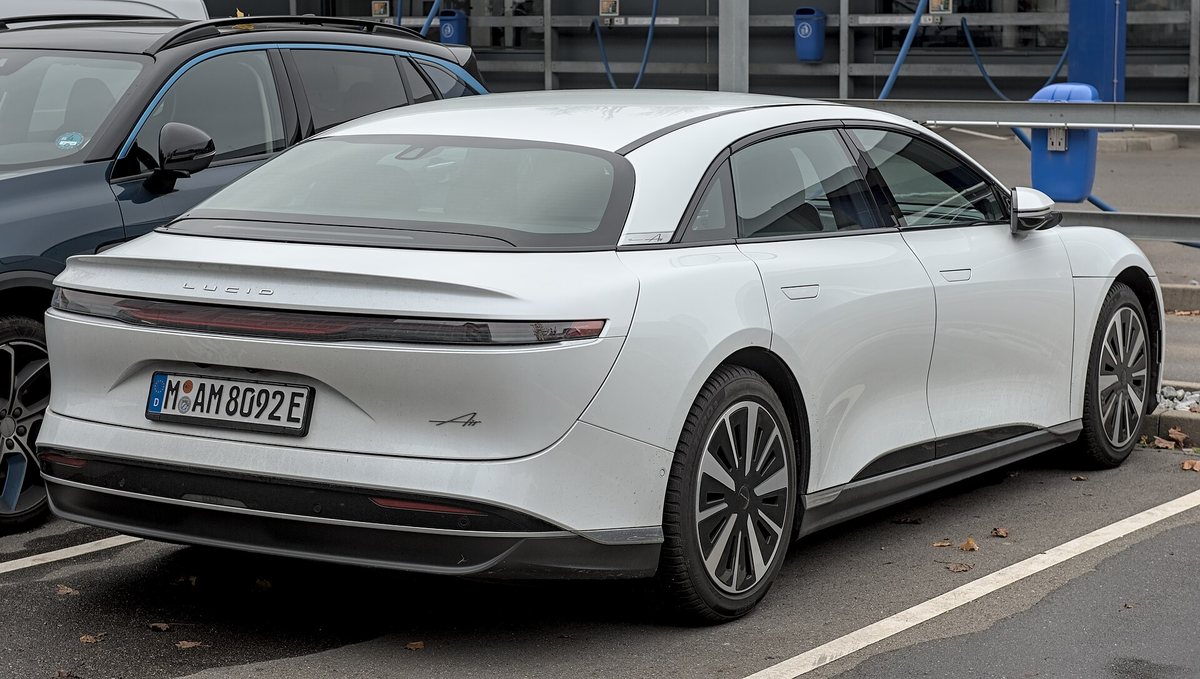
On a six-figure EV, that’s real money. The Car Guide named the Lucid Air and Gravity and the Porsche Taycan and Cayenne Electric as models that benefit.
Why Finance says it’s doing this
The government says the change “recognizes the higher upfront cost of zero-emission vehicles and supports the global shift to electric vehicles.” It comes a week after Budget 2026, which proposed $587 million over five years, starting in 2027-28, to add more than 55,000 public chargers. We broke that down in our Budget 2026 coverage. The budget didn’t add new money for EV purchase rebates, and this measure doesn’t either. It removes a tax at the top of the market, not the bottom.
Where Tesla fits
Look at Tesla’s current Canadian lineup and almost nothing is near the old $100,000 line, let alone the new one:
- Model 3 and Model Y: the most expensive trims, the Model 3 Performance and Model Y Performance, start at C$74,990, well below $100,000 before options, so the luxury tax hasn’t been a factor.
- Cybertruck: the luxury tax only covers vehicles with a gross vehicle weight rating of 3,856 kg or less, according to the CRA. The Cybertruck is heavier than that, which is why the C$167,990 Cyberbeast hasn’t carried luxury tax. As we reported, Tesla is building the Cybertruck until the end of summer 2027.
- Model S and Model X: these were the Teslas that most often paid luxury tax in Canada, but production ended in 2026 and they’re no longer on Tesla’s Canadian order list. The CRA says the tax generally doesn’t apply when a vehicle that has already been registered is resold, so used S and X buyers weren’t paying it anyway.
So unless Tesla brings a new six-figure vehicle to Canada, this change won’t affect what you pay for a Tesla.
What it means for Canadian owners
- Shopping a Model Y? Nothing changes. The rebate that matters to you is EVAP, which still has a $50,000 cap on final transaction value for imported vehicles and drops from up to $5,000 to up to $4,000 on January 1. Our Model Y story explains how spring 2027 delivery windows affect that rebate.
- Cross-shopping a luxury EV? If you’re comparing a used Model S or X with a new Lucid, Porsche or other EV between $100,000 and $150,000, the new car may now cost thousands less. A $150,000 EV, for example, used to owe $10,000 in luxury tax and now owes none. Ask the dealer to show the luxury tax line on the bill of sale.
- It isn’t law yet. The measure applies now but still needs Parliament’s approval. Keep your paperwork if you buy an EV in this price range.
The bottom line
Ottawa’s higher EV luxury tax threshold is good news for the top of the EV market, but Tesla’s Canadian lineup is already priced below it or exempt by weight. For most Tesla owners and shoppers, EVAP and charging access still matter much more. What do you think about the change? Share your take with 18.5K owners in Tesla Model Y & 3 [Ontario, Canada], and join our X community Tesla Model* [Ontario, Canada].
Sources
- Department of Finance Canada: Government of Canada adjusts the taxable value threshold for zero-emission vehicles (November 12, 2026)
- Department of Finance Canada: Legislative proposals relating to the Select Luxury Items Tax Act
- Canada Revenue Agency: LTN2, Subject vehicles under the Select Luxury Items Tax Act
- Global News: More electric vehicles exempt from luxury tax, Ottawa says
- The Car Guide: Ottawa to raise threshold for federal luxury tax on EVs