Every Ontario winter brings at least one morning like this: freezing rain overnight, a hard freeze by dawn, and a Tesla door that won’t open, or a frameless window that won’t drop because it’s iced to the seal. Pulling hard on a frozen door can tear the rubber weatherstrip, and replacing seals is a service visit nobody wants.
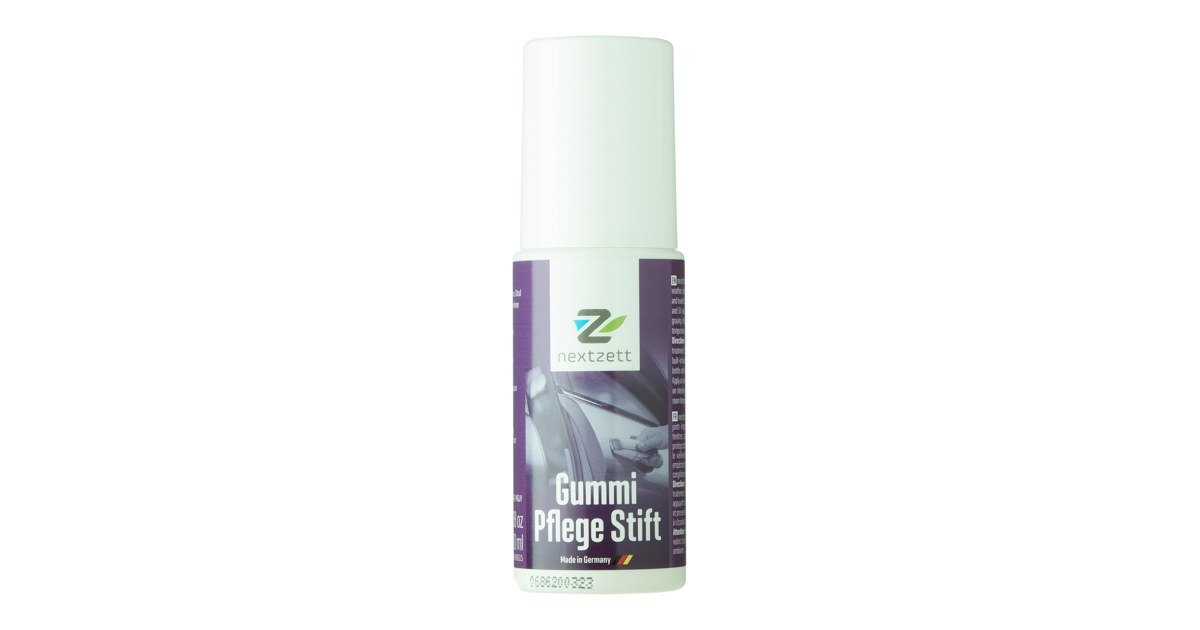
A rubber seal conditioner is one of the cheapest ways to make those mornings easier. Our pick is the nextzett Gummi Pflege Stift rubber care stick on Amazon.ca. Here’s what it does, how to use it on a Model 3 or Model Y, and who doesn’t need it.
The problem it solves
The Model 3 and Model Y have frameless windows. When you open a door, the glass drops slightly so it can clear the rubber seal, then rises back up to seal against it when the door closes. That clever design has a winter weak spot: when meltwater freezes between the glass and the seal, or between the door and the body, things stick.
Dry, cracked rubber makes it worse. Seals that have lost their flexibility hold water, freeze more easily and can also let in wind noise. Conditioning them a few times a year keeps them soft and helps water bead off instead of soaking in.
What the Gummi Pflege stick offers
Based on the Amazon.ca listing:
- Conditions rubber seals on doors, windows, trunks and sunroofs to keep them flexible and help prevent drying, cracking and sticking.
- Helps keep doors from freezing shut, which is the main reason most Canadian buyers pick it up.
- Built-in sponge applicator, so you can run it along a seal without getting product all over the paint or glass.
- Made in Germany, in a 100 ml (3.4 oz) bottle that’s small enough to keep in the garage or glovebox.
When we checked on November 14, the listing showed C$31.03, sold by a third-party seller (Auto Obsessed Ltd.), with a 4.5 out of 5 rating from 5,778 ratings. Canadian reviewers mention using it on door seals and sunroof seals and say it helps in cold climates. A couple of them note the foam tip wears out over time or is on the large side. Prices and sellers change, so check the live listing.
How to use it on a Tesla
- Start clean and dry. Wipe the seals with a damp cloth to get off road grime and salt, then let them dry. A mild, above-freezing day in the garage is ideal.
- Do the door seals and the window seals. On a Model 3 or Model Y, that means the rubber around each door opening, the seal along the top of each door where the frameless glass meets the body, plus the trunk and frunk seals.
- Use a light touch. Glide the applicator along the rubber. The maker warns that pressing hard can damage the foam tip.
- Wipe any extra off the glass and paint with a microfibre cloth so it doesn’t smear.
- Repeat every few months, and once more before the first big freeze. Very dry seals may need a couple of coats.
It also pairs well with good habits. When freezing rain is in the forecast, use the Defrost Car setting in the Tesla app for a while before you leave so the ice around doors and glass starts to soften, and avoid yanking on a stuck door.
Buying tips and pitfalls
- It’s not Tesla-specific. Gummi Pflege is a general rubber care product used on all kinds of cars.
- It’s a prevention product. It won’t free a door that’s already frozen solid. For that, give the car time with defrost on and gently push on the door to crack the ice before you pull.
- Watch out for lookalikes. Search results are full of no-name “Gummi Pflege” copies at lower prices with few or no reviews. Make sure you’re buying the nextzett-branded stick.
- Keep it off the windshield. Any seal conditioner can leave a film if it gets on glass in front of the driver, so wipe carefully around the windshield area.
Alternatives
Silicone-based rubber protectants do a similar job. 303 Rubber Seal Protectant and SONAX Rubber Protectant are both well-reviewed on Amazon.ca, and an auto parts store will usually stock a silicone spray. Sprays are faster to apply but messier around paint and glass, which is why many owners prefer a stick with a sponge tip. The free option is simply wiping your door seals dry after a wash or a slushy drive, so less water is there to freeze overnight.
Who should skip it
Skip it if your car lives in a heated garage all winter, or if you’re in a part of Canada that rarely sees freeze-thaw cycles or freezing rain. If you park outside in Ontario or Quebec, though, a C$30 bottle that lasts a long time is cheap insurance for your seals and your patience.
Looking for more winter picks? Browse our Tesla Gear page for Canadian owners, or see the nextzett Gummi Pflege Stift listing on Amazon.ca. Got a trick for frozen Tesla doors? Share it with 18.5K owners in Tesla Model Y & 3 [Ontario, Canada], or in our X community Tesla Model* [Ontario, Canada].
As an Amazon Associate I earn from qualifying purchases.